
Deborah’s Clan Gathering Unites Arab and Messianic Jewish Mothers in Nazareth
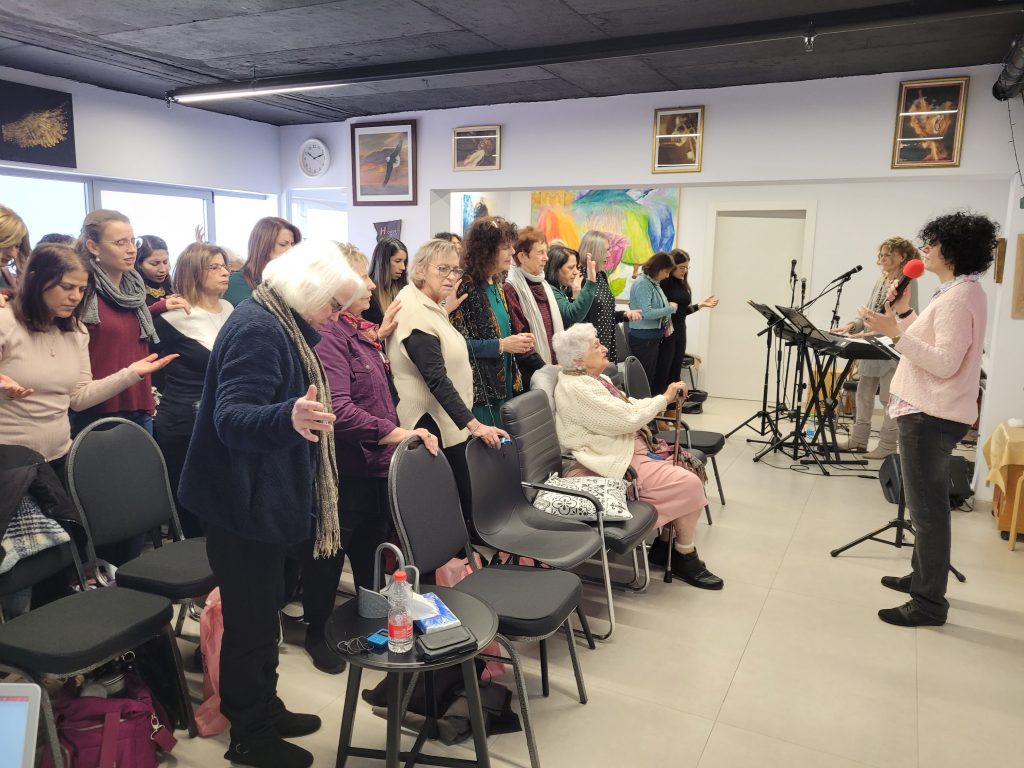
February 17th marked a prophetic day as HOPE hosted a powerful gathering of 48 Messianic Jewish and Arab spiritual mothers in the land. The “Deborah’s Clan” gathering was a strategic moment of worship, prophetic release, and deep unity during a time of intensifying conflict in Israel.
Worship and Prophetic Declaration
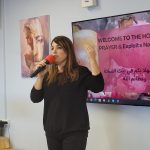
Karen Davis opened the conference with worship in Hebrew and English, ushering everyone into the presence of the Lord. Rania Sayegh then delivered a stirring word on rising as Deborahs and Esthers in this critical hour. She shared a personal message from the Lord:
“When the mothers of the land arise, there is safety in the land.”
As war escalates and turmoil shakes the Israeli government, Rania called the women to take their place—as Esthers—with boldness and authority. She emphasized that spiritual mothers hold the key to the restoration of Israel.
White Stones, Crowns, and a Prophetic Call
The Lord had given Rania the specific date—17/2—to call this gathering in Nazareth. Upon arrival, each woman received a white stone painted with either a golden crown or the word “Malka” (Hebrew for queen). The symbolism echoed Esther 2:17, where Esther receives her crown.
“I want to release a new experience of My love upon each Esther present and anoint her as a seal,” the Lord said.
This act reflected Revelation 2:17, where a white stone bears a new name—a divine seal on each woman’s life. A newly unveiled mural in Nazareth, painted by an Israeli artist with an Iranian-American filmmaker, boldly declares:
“It is time for the Esthers to arise!”
This message is for women across the globe. Together, as Arab and Jewish sisters, we stand against the spirit of Haman and step into our God-given authority.
Message of Identity and Love
Margaret Abu Ghazaleh followed with a short but profound message from John 13:3–5, reminding the women that their identity is not from this world.
“We are daughters of the King,” she declared.
Worship, Testimony, and Reconciliation
After a short break, Rajaa Sadran led the group in beautiful Arabic worship. Several Messianic Jewish sisters followed, sharing what God had placed on their hearts.
Sarah Liberman gave a heartfelt testimony of worshiping through pain after a hearing injury. In the midst of her struggle, God gave her a vision of the globe with His eyes burning over the Middle East, saying:
“These are the people who are on My heart.”
Soon after, Egyptians translated one of her songs into Arabic without her asking. The experience deeply moved her. Like her biblical namesake, Sarah felt convicted about the rejection of Hagar and Ishmael.
“That rejection gave rise to the lie that ‘Allah has no son.’”
She committed to learning Arabic and asking forgiveness—in Arabic.
Writing Our Scrolls Together
Orna Grinman closed the day with a powerful message on Esther. She contrasted Esther’s journey—from being treated as an object to becoming a leader—and reminded us of Esther 5:13, where Haman is tormented by Mordechai’s presence at the gate.
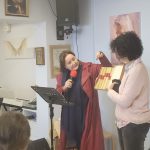
Orna then revealed a precious scroll passed down from her mother, and as she opened the Scroll of Esther, she declared:
“It’s time for us to write our scroll! God needs each of our hearts in His story.”
She shared a personal transformation—once seeing Arab women as outsiders to her story, now recognizing how vital their presence is in God’s plan. The gathering ended with heartfelt repentance and prayer between sisters.
A Closing Blessing and Fellowship
Sarah Liberman sang The Blessing over the women in both English and Hebrew. The day ended with warm fellowship over a delicious Arabic meal at the HOPE Café—a beautiful symbol of unity and shared destiny.
Subscribe
Stay informed and join us in prayer Israel, the Middle East and the Nations. Subscribe to our newsletter for updates, prayer guides, and ways to make a difference.